

Call us now
08037735522
Call us now
08037735522
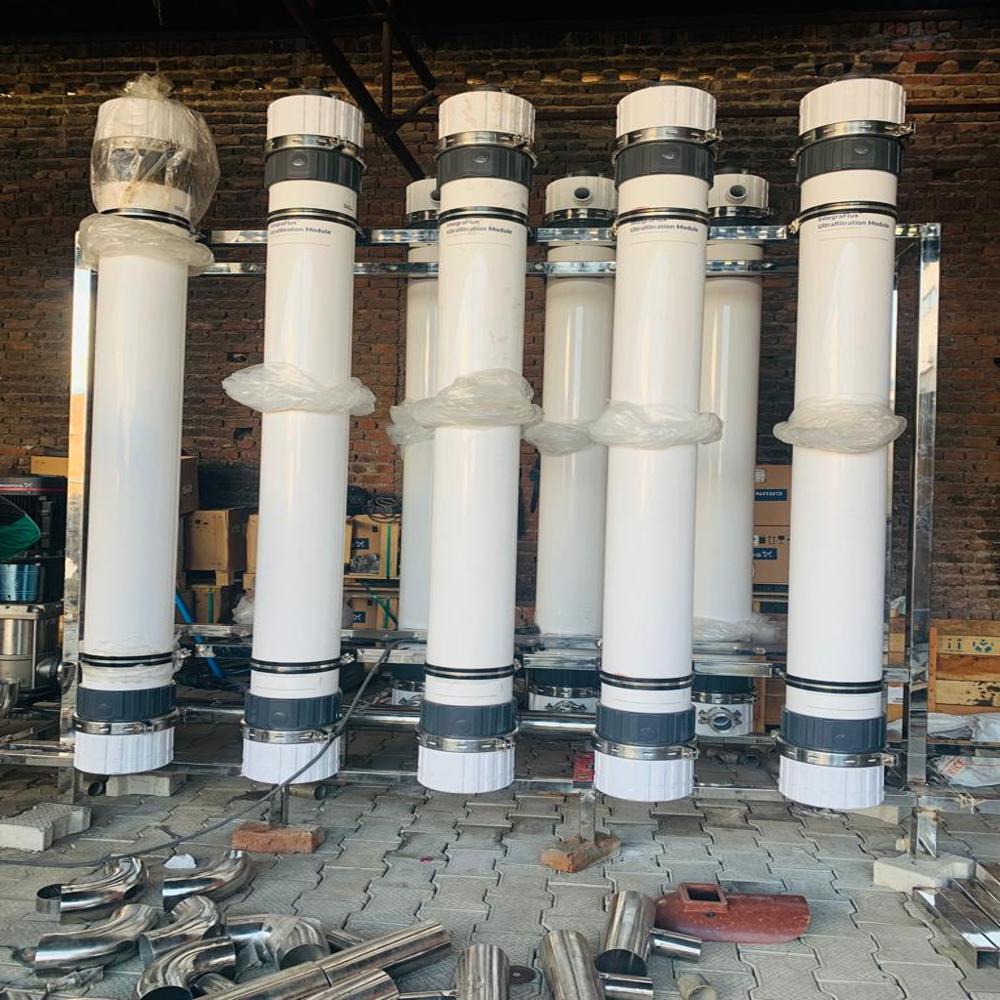
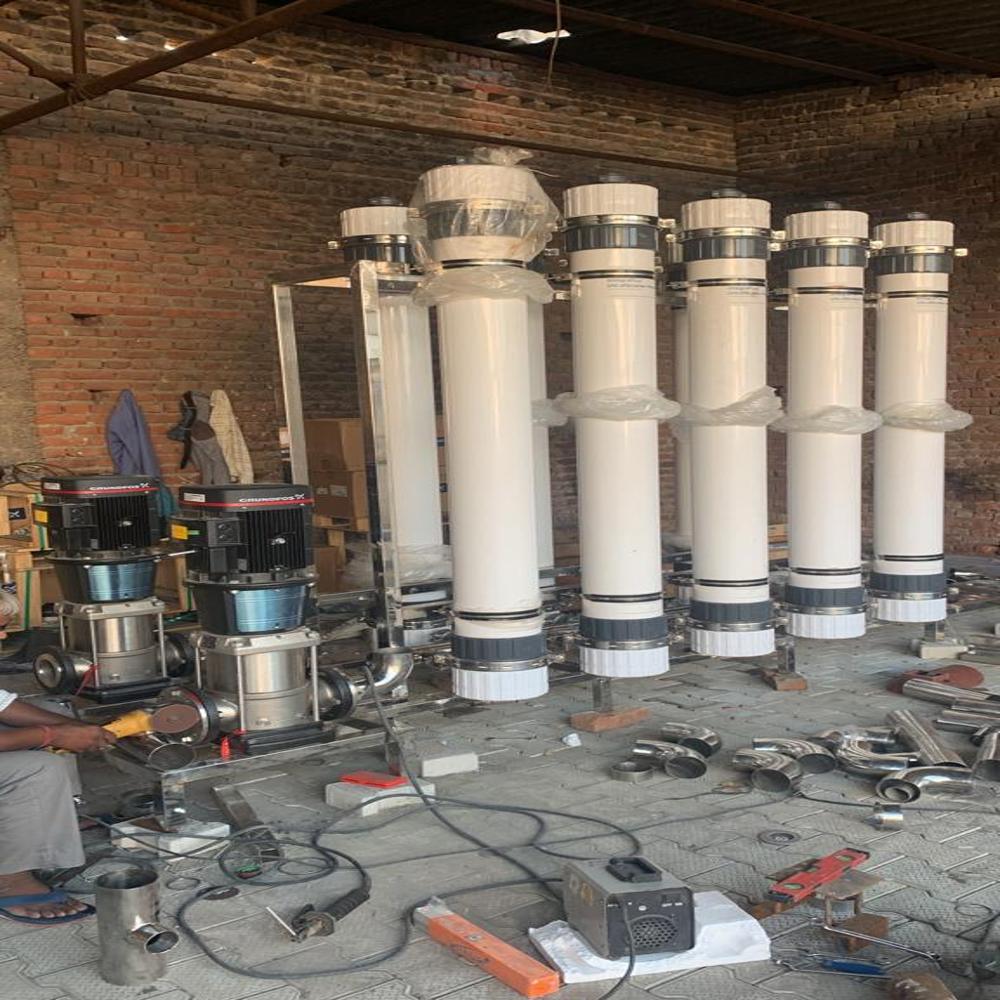
About Ultra Filtration
UF (Ultrafiltration) filters are water treatment devices using hollow fiber membranes with tiny pores (typically 0.01 to 0.1 microns) to remove bacteria, viruses, suspended solids, and turbidity without chemicals. They operate without electricity, making them ideal for municipal water and as pre-filters for RO systems to remove particles and macromolecules.
Key Features & Applications
Contaminant Removal: Effectively removes suspended particles, microorganisms (bacteria/cysts), and turbidity.
Key Constraint: UF filters do not remove dissolved solids (TDS) or chemicals, which requires RO.
Common Applications: Often used as standalone, non-electric purifiers or as a third-stage filter in RO+UV+UF setups, such as in Kent and Waterdrop models.
Maintenance: They are often washable and have a long lifespan, requiring replacement less frequently than carbon filters.
FAQs of Ultra Filtration:
Q: What is ultrafiltration, and how does it work?
A: Ultrafiltration (UF) is a water purification process that uses hollow fiber membranes to filter out contaminants. The membrane pores are typically around 0.01 microns in size, allowing water molecules to pass through while blocking bacteria, viruses, and other particulates. Water flows through these membranes under pressure, resulting in clean, safe drinking water.
Q: How is ultrafiltration different from other filtration methods like reverse osmosis?
A: Ultrafiltration uses a physical membrane to filter out contaminants, while reverse osmosis (RO) uses a semi-permeable membrane to remove a broader range of dissolved solids. UF is great for removing bacteria, viruses, and particulates, while RO is better at removing dissolved chemicals and salts. However, UF systems do not produce wastewater and are generally more energy-efficient than RO systems.
Q: Is ultrafiltration safe for drinking water?
A: Absolutely. Ultrafiltration is one of the safest and most effective methods for purifying drinking water. It removes harmful pathogens and particulates, ensuring that the water is safe and clean.
Q: How often do I need to replace the filters in my ultrafiltration system?
A: Filters in an ultrafiltration system typically need to be replaced every 8-12 months, depending on water usage and quality. Regular maintenance is crucial to ensure the system continues to perform effectively.
Q: How much does an ultrafiltration system cost?
A: The cost of an ultrafiltration system can vary based on the model and features. However, they are generally more affordable than reverse osmosis systems, both in terms of initial investment and ongoing maintenance costs.

Price:
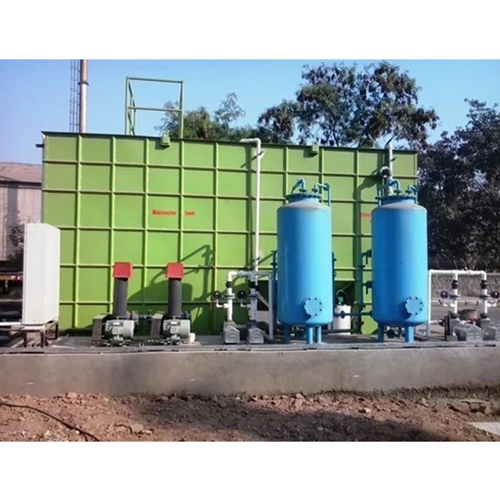
Price 800000.0 INR / Plant
Minimum Order Quantity : 1 Plant
Membrane Size : As per design
Pressure : Standard Operating Pressure PSI
Product Type : Other
Dimension (L*W*H) : Customize as Space Available Meter (m)


 Send Inquiry


 Send Inquiry